
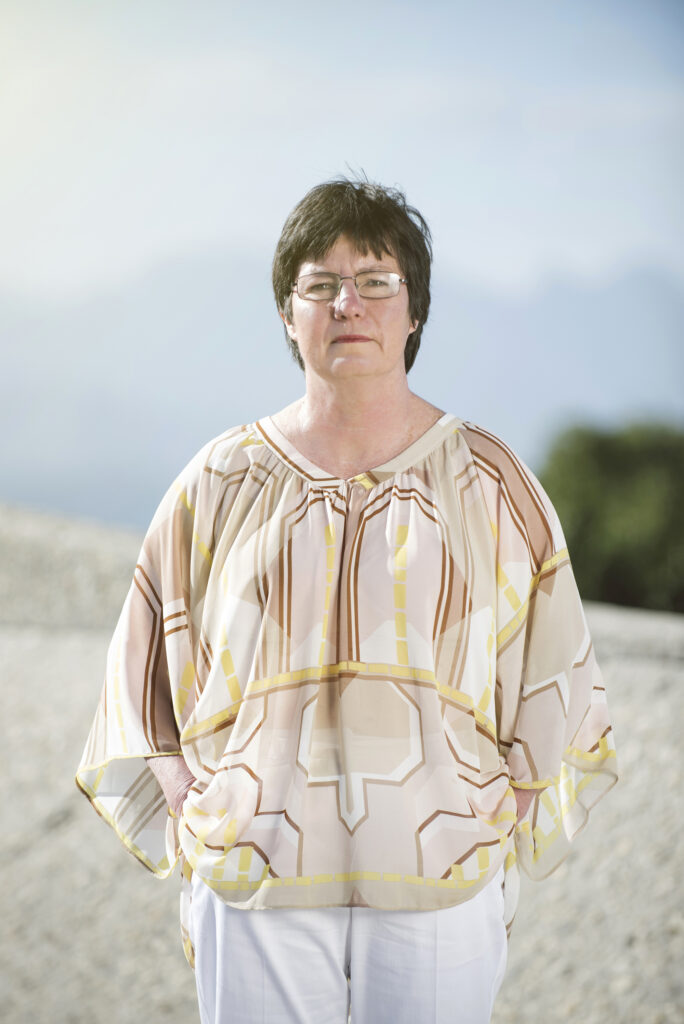
About me
Dr. Joan Swart is a defence and strategic analyst whose work integrates military science, conflict psychology, and political risk. With a PsyD in Forensic Psychology and a Master of Arts in Military Studies, she offers a rare interdisciplinary perspective to questions of military strategy, security, and human behaviour in contested environments.
Currently pursuing a PhD in Military Science at Stellenbosch University, her research examines the strategic posture and operational effectiveness of the South African National Defence Force (SANDF) within an evolving regional and global security landscape. Her work aims to support informed decision-making in defence, governance, and security policy by applying behavioural insight to complex strategic challenges.
Topics I Write About:
⚔️ Military Strategy
🛡️ Defence Analysis
🎖️ SANDF
⚙️ Hybrid Warfare
⚖️ Political Risk
🏛️ South African Security
🌍 Geopolitics
🧩 Behavioural Analysis
Currently pursuing a PhD in Military Science at Stellenbosch University, her research examines the strategic posture and operational effectiveness of the South African National Defence Force (SANDF) within an evolving regional and global security landscape. Her work aims to support informed decision-making in defence, governance, and security policy by applying behavioural insight to complex strategic challenges.
Topics I Write About:
⚔️ Military Strategy
🛡️ Defence Analysis
🎖️ SANDF
⚙️ Hybrid Warfare
⚖️ Political Risk
🏛️ South African Security
🌍 Geopolitics
🧩 Behavioural Analysis
Areas of expertise
My publications & books




Selected Articles in Defence, Security, and Strategic Analysis
Somaliland After Recognition: Why the Pushback — and What Comes Next?
Somaliland has governed itself for more than three decades — peaceful, functional, and widely supported at home — yet still remains unrecognised. Israel’s decision to recognise it changed the conversation,…
Why Israel’s Recognition of Somaliland May Have Been a Diplomatic Misstep: Analytical Commentary
Israel became the first UN member state to recognise Somaliland — and the diplomatic fallout was immediate. This commentary examines the strategic logic behind the decision, the sharp international response,…
Terrorism in South Africa (Part 1): Low Frequency, High Ambiguity
South Africa’s terrorism risk is often dismissed because mass-casualty attacks are rare. Yet over the past decade, politically motivated violence, criminal activity, and extremist signalling have increasingly overlapped without clear…
South Africa’s Emerging Security Crisis: A Frank Risk Assessment of a State Ripe for Capture or Fracture
South Africa is entering a decisive security phase not through sudden collapse, but through steady institutional erosion. This risk assessment examines the hollowing of state capacity, the decline of the…
’n Nasie sonder ’n morele kompas
South Africa’s epidemic of violence against women and children is not only a failure of policing or prosecution — it is evidence of a deeper moral and social collapse. With…
Wagner After Prigozhin: Proxy Force and State Power in Africa
Wagner’s role in Africa did not end with Prigozhin — it was formalised. This op-ed examines Wagner as a tool of proxy force and state power, and what its evolution…